Investor and Product Feedback on the SpendFlow Business Plan
A comprehensive analysis of strategic positioning, competitive challenges, and market opportunities for the bill-pay migration platform
Executive Summary
The SpendFlow business plan presents a compelling solution to a significant and quantifiable problem for both consumers and banks.
Clear value proposition addressing primary barrier to bank switching
Competitive landscape requires urgent strategic refinement
Regulatory tailwinds and market evolution create expansion potential
Key Findings
- Exceptional B2B value proposition with quantifiable ROI for partner banks
- Significant underestimation of direct merchant connectivity competitors
- Strong alignment with emerging data portability regulations globally
- Technical architecture well-suited for core functionality but requires enhancement
Core Strengths & Strategic Positioning
Clear Value Proposition and Market Problem
Consumer Pain Points
- • Fear of missing payments during bank switch23
- • Don't remember all recurring bills and subscriptions
- • Manual, multi-week migration process
- • Risk of late fees and service disruptions
Differentiated Product Approach
AI-Driven Analysis Engine
The platform analyzes 12-24 months of historical transaction data to identify recurring payments, ACH debits, bill-pay patterns, and subscription services with sophisticated pattern recognition.23
AI Normalization
Normalizes merchant names and detects patterns across different payment types
Zero-Integration
Secure bank-facing links require no API integration or core system changes
Comprehensive Detection
Identifies ACH, card, bill-pay, and manual patterns in one unified workflow
Compelling Vision for Expansion
"Migrate today, insights tomorrow"
The strategic evolution from a single-purpose migration tool to a comprehensive financial insights platform creates long-term user engagement and data monetization opportunities.23
Critical Feedback: Competitive Landscape
Critical Oversight
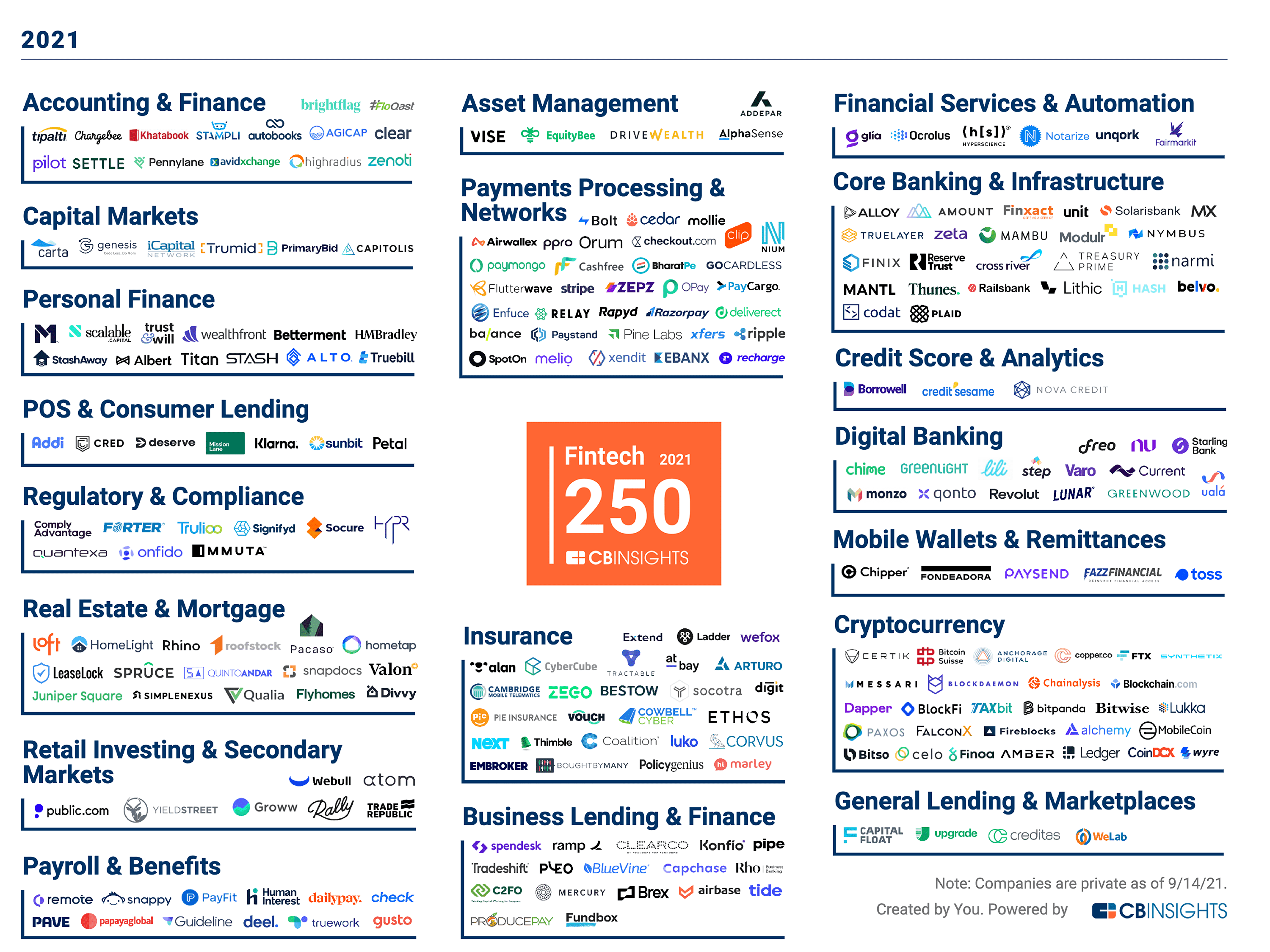
The business plan significantly understates the threat from well-funded competitors using direct merchant-connectivity models that bypass historical transaction analysis.
The Challenge of Direct Merchant Connectivity
SpendFlow's Model
- • Reactive, analytical approach
- • 12-24 months historical data analysis23
- • Pattern recognition and inference
- • Generates migration checklist for manual updates
- • Theoretically broad coverage
Direct Connect Model
- • Proactive, connective approach
- • Real-time merchant API connections142
- • Direct payment method updates
- • Higher certainty and control
- • Limited by integration network size
Competitive Analysis Framework
| Feature | SpendFlow (AI-Driven Analysis) | Atomic (Direct Connectivity) |
|---|---|---|
| Primary Data Source | Historical bank transaction data (via Plaid) 23 | Direct API connections with merchants and payroll providers 142 |
| Method of Detection | AI-powered pattern recognition and statistical analysis 23 | Real-time data retrieval from merchant systems 142 |
| Actionability | Generates checklist for manual updates 23 | Potentially automated in-app payment updates 142 |
| Data Accuracy | High, but subject to transaction data quality | Very high, sourced directly from biller |
| Coverage | Theoretically broad, any bank transaction | Limited to integrated merchant network |
| User Experience | Review step + external updates required | One-stop-shop in-app experience 142 |
Infrastructure-Level Competition
Mastercard + Atomic Partnership
Mastercard's partnership with Atomic for "Bill Pay Switch" represents infrastructure-level validation of the direct-connect model, potentially embedding bill payment management directly into payment rails.2
Critical Feedback: Regulatory Environment
Current Limitations
Data Portability Rights Across Middle East
| Jurisdiction | Law Name | Right to Portability | Key Requirements |
|---|---|---|---|
| Saudi Arabia | Personal Data Protection Law (PDPL) | Yes | Transfer must be technically feasible and based on consent or contract |
| Jordan | Personal Data Protection Law (PDPL) | Yes | Transfer must be documented, including purpose and consent |
| Qatar (QFC) | QFC Data Protection Regulations | Yes | Data must be in structured, commonly used, machine-readable format |
| Oman | Personal Data Protection Law (PDPL) | Yes | Controller can refuse if request is unjustifiably repetitive |
| Bahrain | Personal Data Protection Law (PDPL) | No | No specific right to data portability |
The Rise of Multi-Banking
Strategic Pivot Opportunity
The growing prevalence of multi-banking requires evolving the value proposition from "switching" to "consolidating" - positioning SpendFlow as a central financial hub rather than a one-time migration tool.
Consumer Behavior
Younger demographics maintain multiple bank accounts for different purposes
Holistic View
Unified dashboard across all financial institutions
Ongoing Value
Continuous monitoring and financial insights
Product & Technical Architecture Assessment
Current Technical Stack Strengths
Frontend Architecture
- • Next.js with React 18 and TypeScript
- • Server-side rendering and code splitting
- • Type safety for improved developer productivity
- • Modern component-based architecture
Security & Data Handling
- • AES-256-GCM encryption for access tokens23
- • No credential storage (Plaid handles authentication)
- • JWT with 30-day session expiration
- • Secure, expiring bank migration links
Transaction Analysis Engine Deep Dive
Core Functionality
The engine transforms raw transaction data into structured, actionable Payment Migration Profiles through sophisticated AI-driven analysis.
Key Engine Components
Merchant Normalization
- • String similarity algorithms
- • Merchant descriptor mapping
- • MCC code integration
- • Pattern recognition for variations
Variability Detection
- • Time-series analysis
- • Autocorrelation for periodicity
- • Amount tolerance thresholds (+/-20%)
- • Statistical pattern recognition
Payment Classification
- • ACH vs. card vs. bill-pay
- • Multi-dimensional ML models
- • Transaction descriptor analysis
- • Historical behavior patterns
Go-to-Market & Business Model

Strengthening B2B Value Proposition
Current Model
Enhancement Opportunities
- • Interactive ROI calculator for banks
- • Case studies with conversion metrics
- • Tiered pricing based on volume
- • Compliance and regulatory positioning
International Expansion Strategy
Saudi Arabia Market Opportunity
The Kingdom's PDPL with explicit right to data portability, combined with Vision 2030 fintech initiatives, creates ideal conditions for market entry.83
Business Model Evolution
B2B Enterprise
- • SaaS subscription model
- • Per-migration fees
- • White-label solutions
- • Bank partnerships
B2C Freemium
- • Free tier for basic features
- • Premium subscription
- • Advanced insights
- • Bill negotiation services
Phase 2+ Monetization
- • Financial insights dashboard
- • Subscription monitoring
- • Savings recommendations
- • API-as-a-Service
Strategic Recommendations
Urgent Actions
- • Acknowledge direct-connect competitors
- • Refine competitive positioning
- • Address infrastructure-level threats
- • Quantify B2B ROI more precisely
Strategic Opportunities
- • Capitalize on data portability laws
- • Expand to KSA and similar markets
- • Develop B2C freemium model
- • Enhance analysis engine capabilities
Long-term Vision
- • Transition to financial hub model
- • Multi-banking support
- • Ongoing insights monetization
- • API-as-a-Service expansion
Refined Competitive Narrative
New Positioning Framework
Acknowledge & Address
Transparently discuss direct-connect competitors while highlighting SpendFlow's unique breadth of detection capabilities.
Differentiate & Elevate
Emphasize comprehensive detection across all payment types, not just major merchants with API integrations.
- • ACH debits and utilities
- • Card subscriptions
- • Bill-pay patterns
- • Manual and irregular payments
Market Prioritization Framework
| Market | Data Portability | Fintech Ecosystem | Digital Adoption | Priority |
|---|---|---|---|---|
| Saudi Arabia | Strong (PDPL)83 | Growing rapidly88 | High | HIGH |
| EU Markets | Emerging (FIDA)31 | Mature | High | MEDIUM |
| UK | Limited (CASS gaps)37 | Mature | High | MEDIUM |
| US | Limited | Mature | High | LOW |